

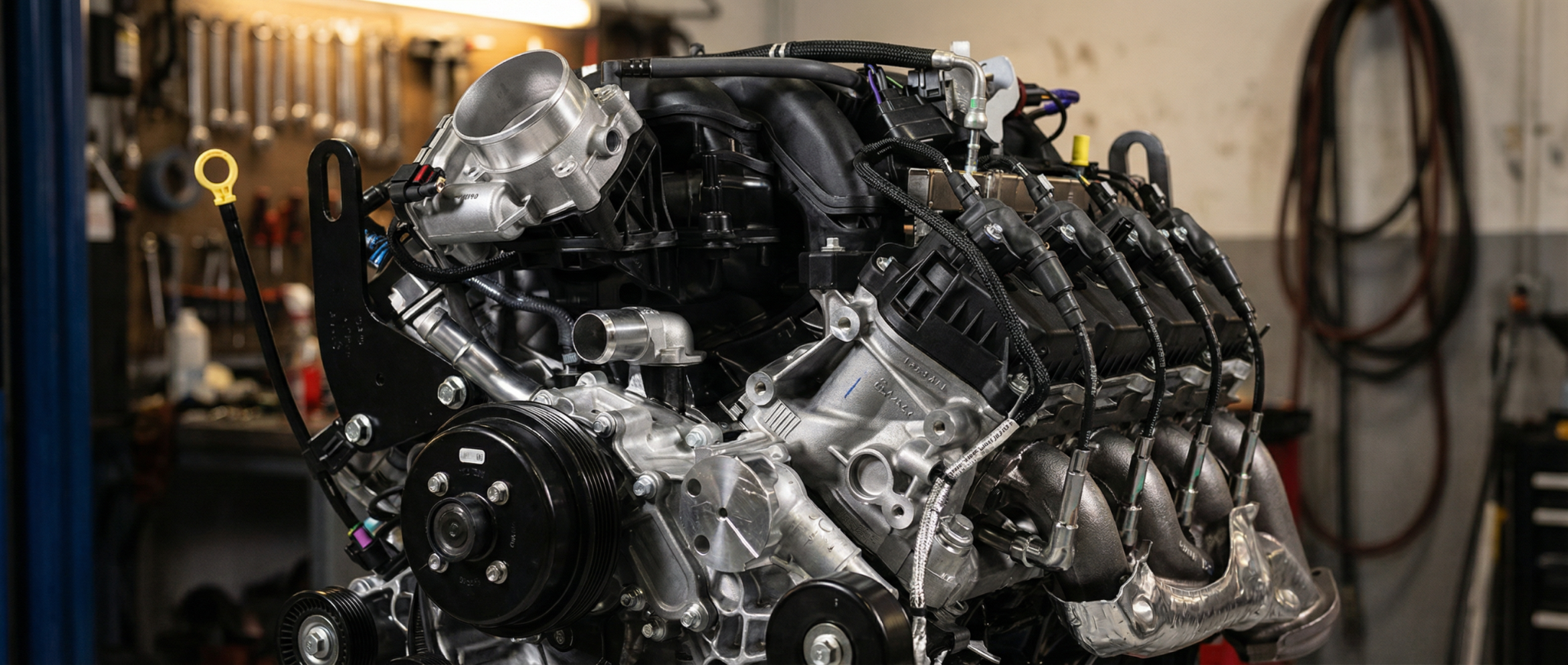
The Congo Basin, home to the world’s second-largest tropical rainforest, presents one of the most punishing environments on Earth for mechanical equipment. In 2026, as industrial and humanitarian operations expand into the deep interior, fleet managers face a relentless adversary: humidity levels that frequently exceed 85%. In such conditions, standard maintenance cycles are insufficient. Success in the region depends on a rigorous approach to Tropical Engine Corrosion Control, ensuring that the heavy-duty diesel engines powering the nation’s logistics remain operational despite the constant threat of moisture ingress and rapid oxidation.
The Invisible Threat: Humidity And Condensation
In the Congo rainforest, the air is not just wet; it is chemically active. High ambient temperatures combined with extreme humidity create a "greenhouse effect" inside engine bays. When engines cool down overnight, the moisture in the air condenses on metal surfaces, leading to galvanic corrosion and the degradation of electrical sensors.
Effective Tropical Engine Corrosion Control begins with managing this condensation. Modern operators in 2026 are increasingly using "Time of Wetness" (TOW) sensors to monitor how long critical components are exposed to moisture. By identifying these peak risk periods, maintenance teams can schedule targeted interventions, such as applying moisture-displacing dielectric greases to wiring harnesses and using vapor-corrosion inhibitors (VCIs) within stored engine enclosures.
Protecting The Air Intake And Fuel Systems
In a rainforest, the engine "breathes" water. High humidity saturates air filters, reducing their efficiency and allowing micro-droplets of water to enter the combustion chamber.
-
Two-Stage Filtration: Standard air filters are often replaced with hydrophobic, multi-stage systems that utilize centrifugal pre-cleaners to spin out moisture before it reaches the primary element.
-
Water-in-Fuel Management: The 2026 gold standard for Tropical Engine Corrosion Control includes the use of advanced fuel-water separators with automated electronic drains. These systems prevent "algae" and fungal growth, which thrive in the warm, damp interface of a diesel tank.
Lubrication Strategy In The Tropics
Standard mineral oils often fail in the Congo Basin because they can emulsify when contaminated by atmospheric moisture. To maintain Tropical Engine Corrosion Control, fleet managers are shifting toward high-viscosity synthetic lubricants that feature advanced anti-foaming and demulsifying additives. These lubricants are designed to separate water quickly, allowing it to settle at the bottom of the oil pan where it can be safely drained during daily inspections.
For logistical experts tracking the performance of heavy machinery across the continent, the latest technical updates at AfriCarNews provide essential data on which lubricant brands and engine specs are surviving the trek from Matadi to the interior.
Electrical Systems: The Achilles' Heel
In 2026, heavy-duty engines are more "electronic" than ever. Sensors for common-rail injection and exhaust after-treatment are highly susceptible to "green rot" (copper corrosion). A core component of Tropical Engine Corrosion Control involves the "potting" or sealing of all exposed connectors. Using IP67-rated enclosures and periodic applications of corrosion-inhibiting sprays prevents short circuits that could leave a vehicle stranded in a remote logging concession.
The Role of Predictive Maintenance
As we move through 2026, the integration of AI-driven diagnostics has revolutionized Tropical Engine Corrosion Control. By analyzing real-time data from humidity sensors and oil-quality monitors, "Smart Fleets" in the Congo can now predict a failure before it occurs. This shift from reactive to predictive maintenance reduces downtime by up to 30%, ensuring that the critical infrastructure of the Congo Basin remains moving.
Implementing a robust Tropical Engine Corrosion Control program is not merely a technical choice; it is the difference between a productive fleet and a graveyard of rusted machinery. In the heart of the rainforest, the environment never sleeps, and neither can your maintenance routine.
Do you think the move toward more "electronic" engines has made maintenance in the Congo harder, or has the better data actually made it easier to prevent major breakdowns? Let us know your field experiences in the comments below!a